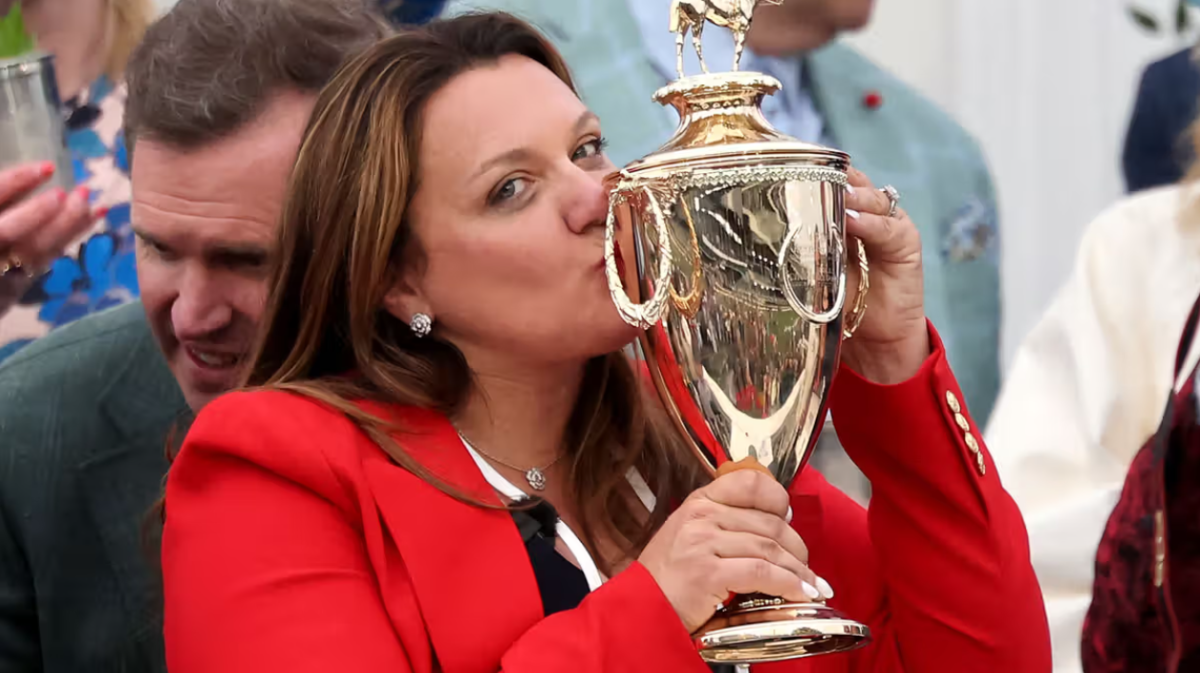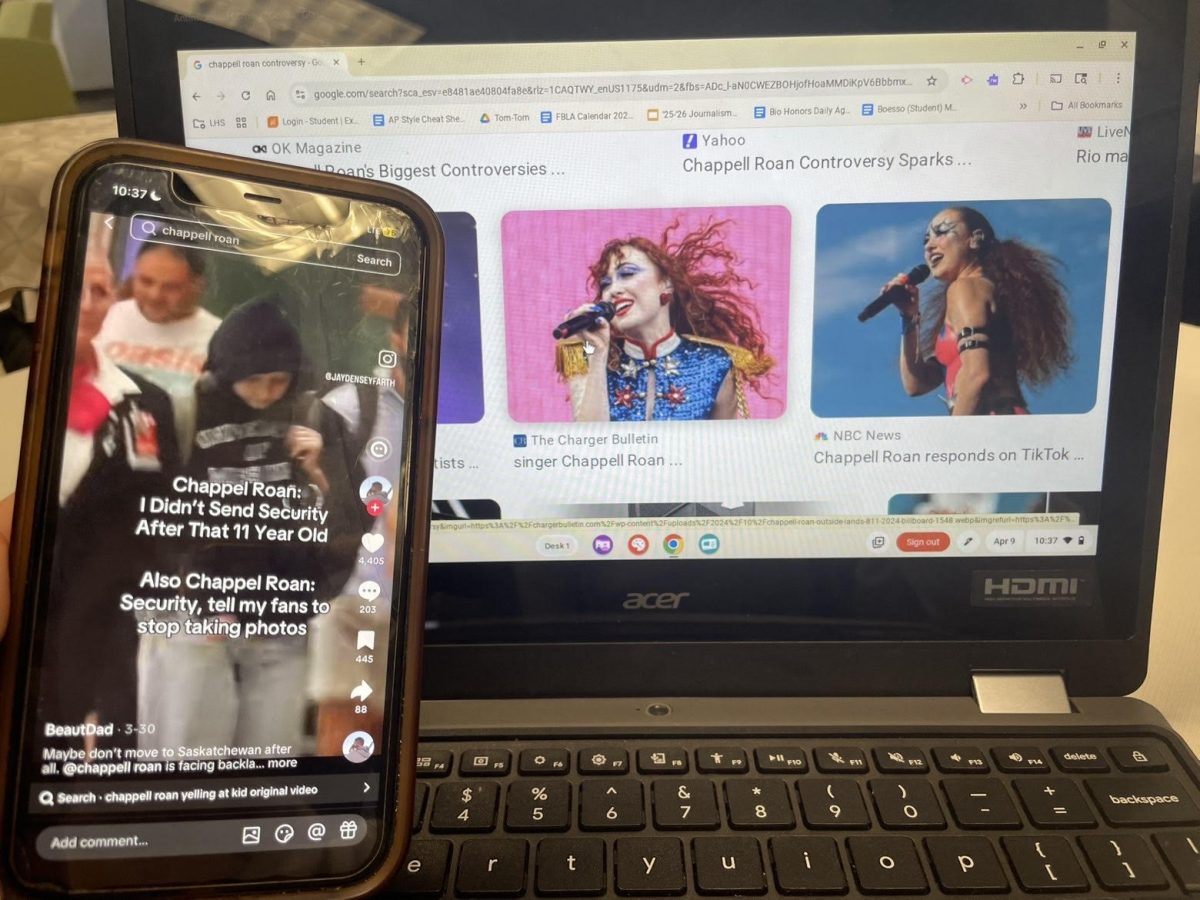
The proclaimed “pop queen” Chappell Roan has recently faced immense backlash due to an alleged scandal pertaining to a hotel breakfast and a supposedly unsolicited confrontation. On March 21, at a hotel in Brazil, the singer’s security allegedly berated an 11-year-old fan for merely smiling at Chappell as she passed by. The young girl Ada Law happened to be the daughter of Jude Law, an English Oscar nominee, and stepdaughter of Jorginho Frello, a famous Brazilian soccer player.
According to Frello, via his Instagram story, Ada Law recognized Chappell at breakfast and walked by her table to confirm it was her. After the confirmation, she smiled at Chappell and then continued back to her table. Shortly after, according to Frello, Chappell’s security approached the young girl in a harsh manner, implying that she was harassing Chappell and threatened to file a complaint with the hotel.
On X, the mayor of Rio de Janeiro Edurado Cavaliere expressed his opinion.
“I mean that as long as I’m in charge of our city — this young lady @ChappellRoan will never perform at Todo Mundo no Rio [a music festival]! I doubt that Shakira @shakira @Shakira_Brasil would do that!” Cavaliere said.
While these events were later debunked as social media rumors, Chappell posted an apology video, explaining that she feels sorry that Ada Law was made to feel that way. However, she denied all claims made towards her and the security guard. Soon after, the security guard Pascal Duvier, who is not affiliated with Chappell, came forward.
“I take full responsibility for the interactions on March 21,” Duvier said in an Instagram post.
Back in September of 2024, Chappell was publicly praised for her response to overbearing publicity and shouting on the red carpet during the VMAs. It was seen as a big step towards greater respect and stronger boundaries on not tolerating disrespect for celebrities.
Since then, Chappell has consistently advocated for celebrity privacy and the right to it, however, many believe this event has marked her as having taken it too far. It has sparked various disputes on celebrity privacy.
These incidents – both the paparazzi and breakfast debacle – put emphasis on the pressure between entitlement and legal rights of public figures. Many can argue that just being a celebrity comes with a diminished sense of personal privacy due to the publicity and job itself, often referred to as the “price of fame.” Others may argue that just being a celebrity should not excuse the harassment and uncalled for ridicule they endure, especially in their private life, motivated even more by super fans.
Often in these conversations of privacy, a Harvard Law Review article, “The Right to Privacy” by Samuel D. Warren and Louis D. Brandeis is cited. This article explicitly states, “the right to be let alone.” While only being a principle, and not an act, “the right to be let alone” is often used in legal cases as a rule of thumb. However, this right is limited in public spaces and being applied to celebrities is frequently overlooked.
Countering this principle, in the First Amendment, the freedom of the press is explained. While often used in relation to keeping governments in check, the freedom of press also allows citizens to report on public figures.
Now, more than ever, especially with the effects of social media, discussions on celebrity privacy are stressed.